
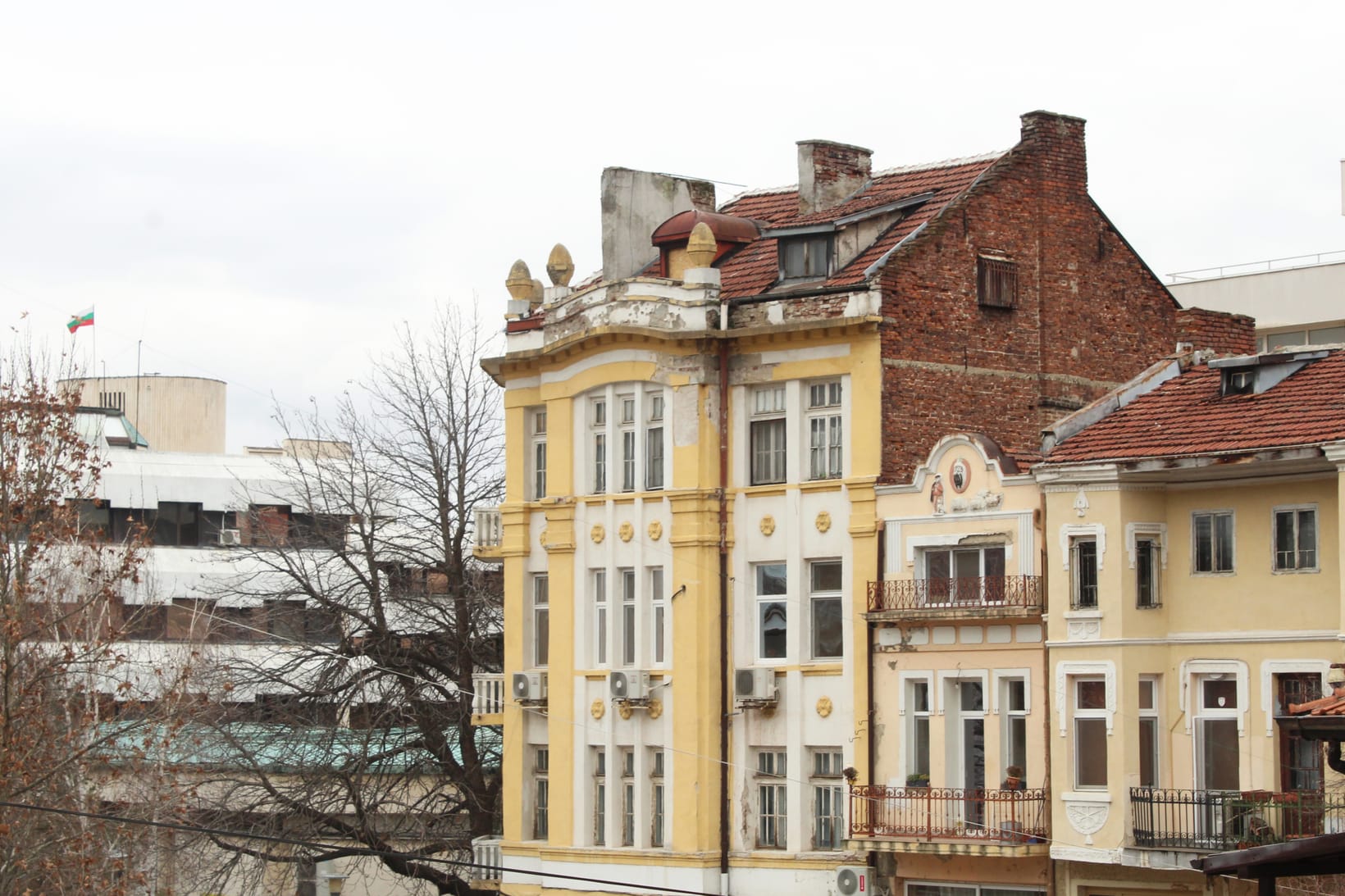


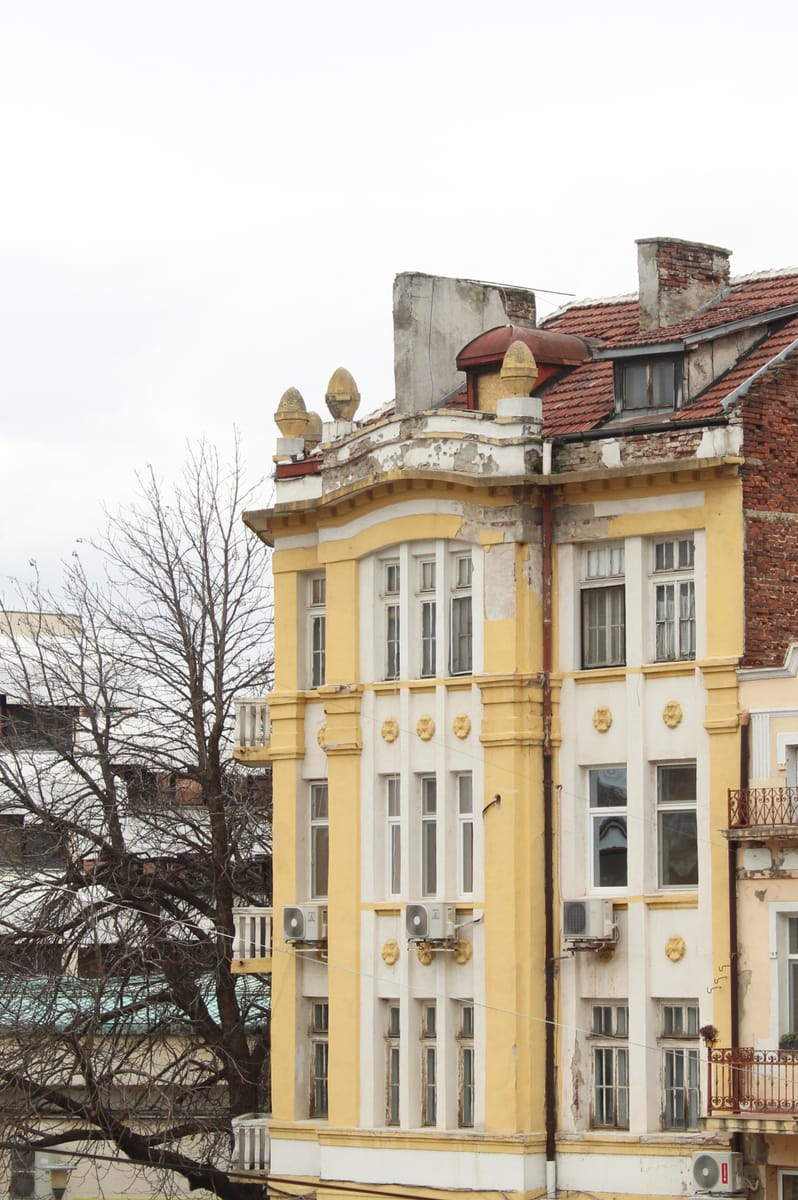
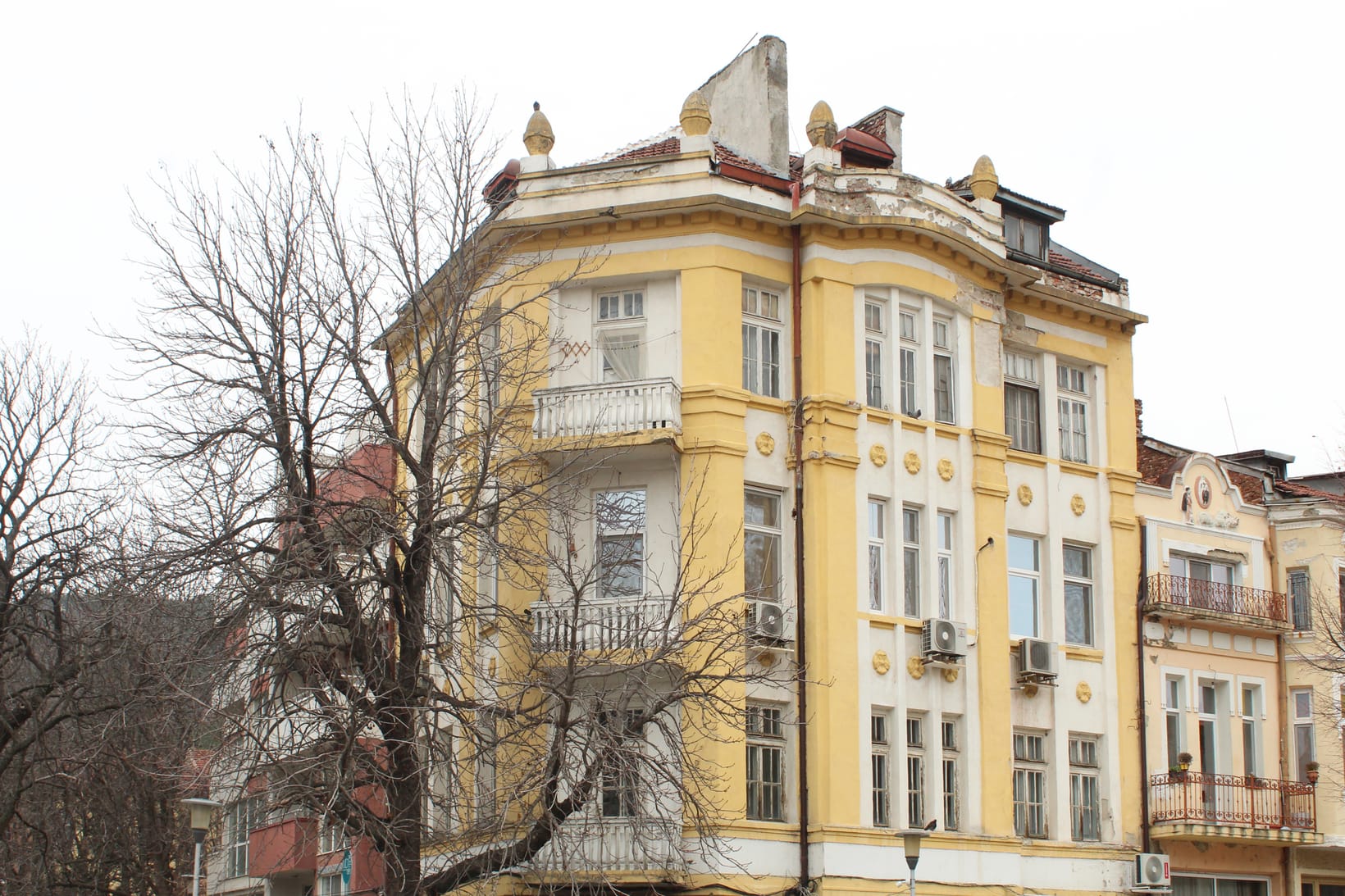
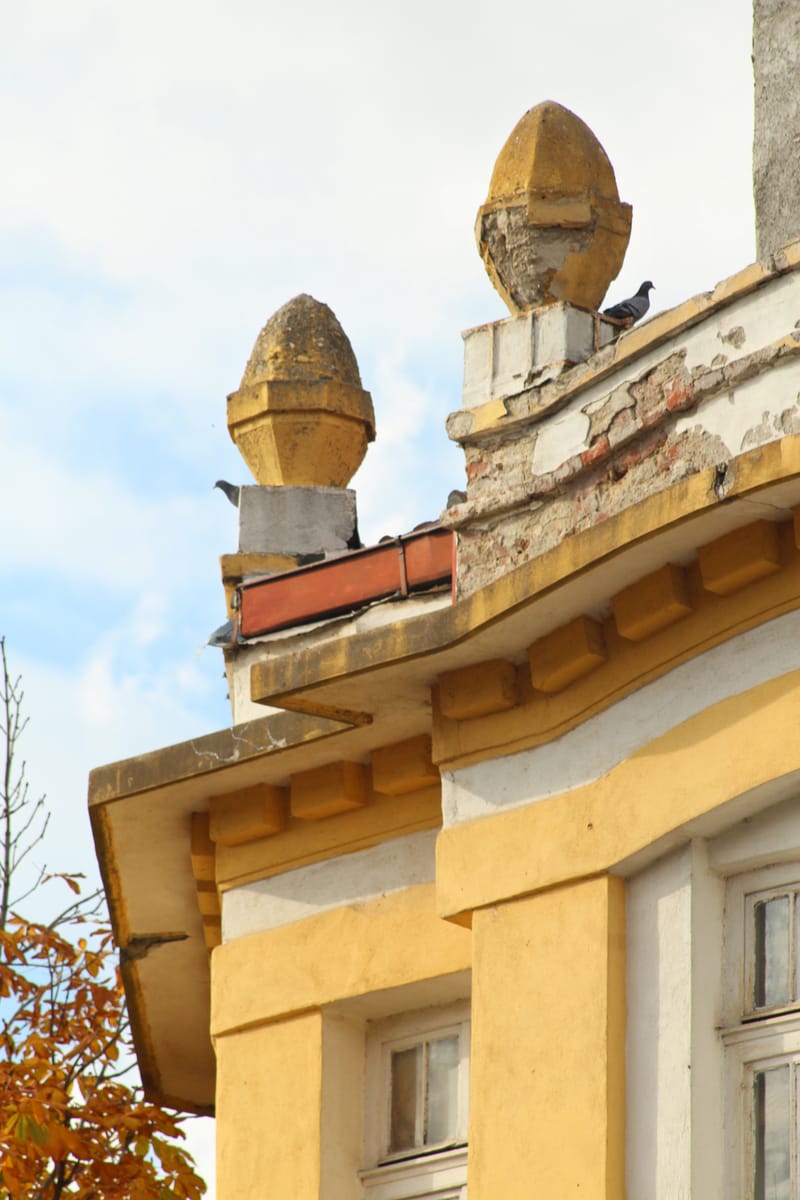
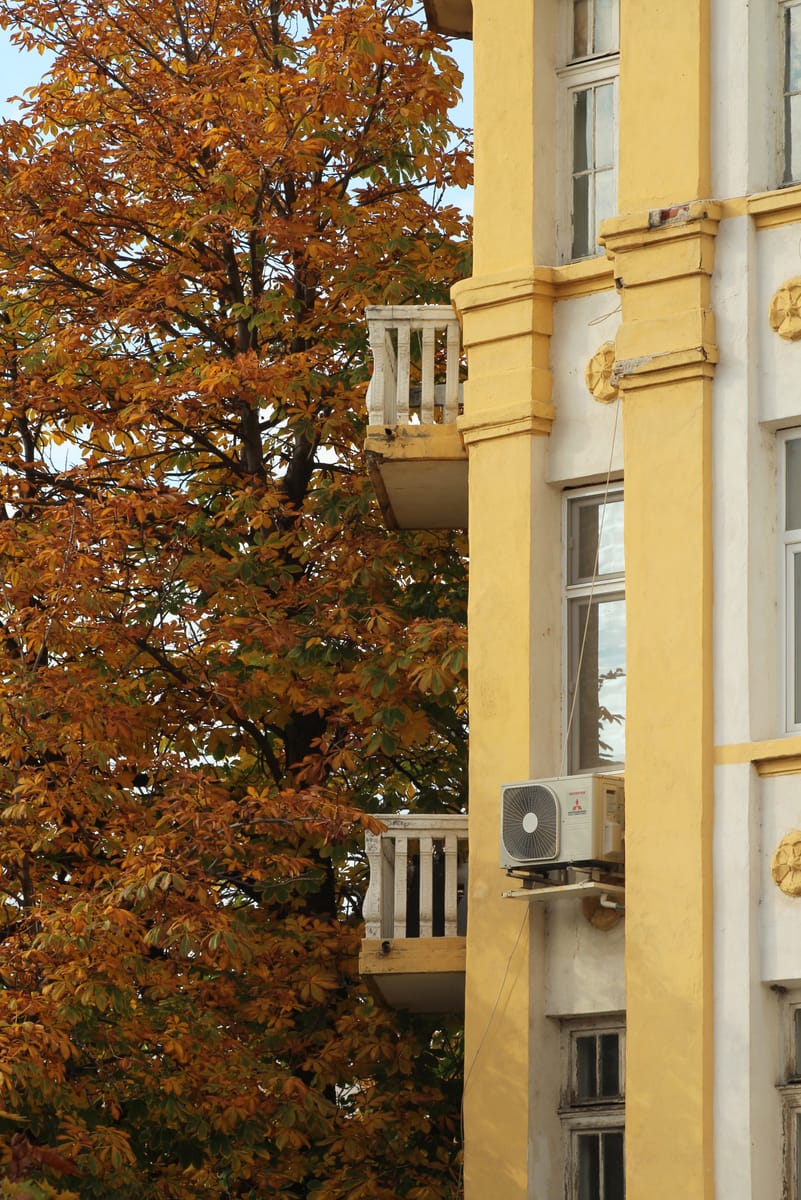
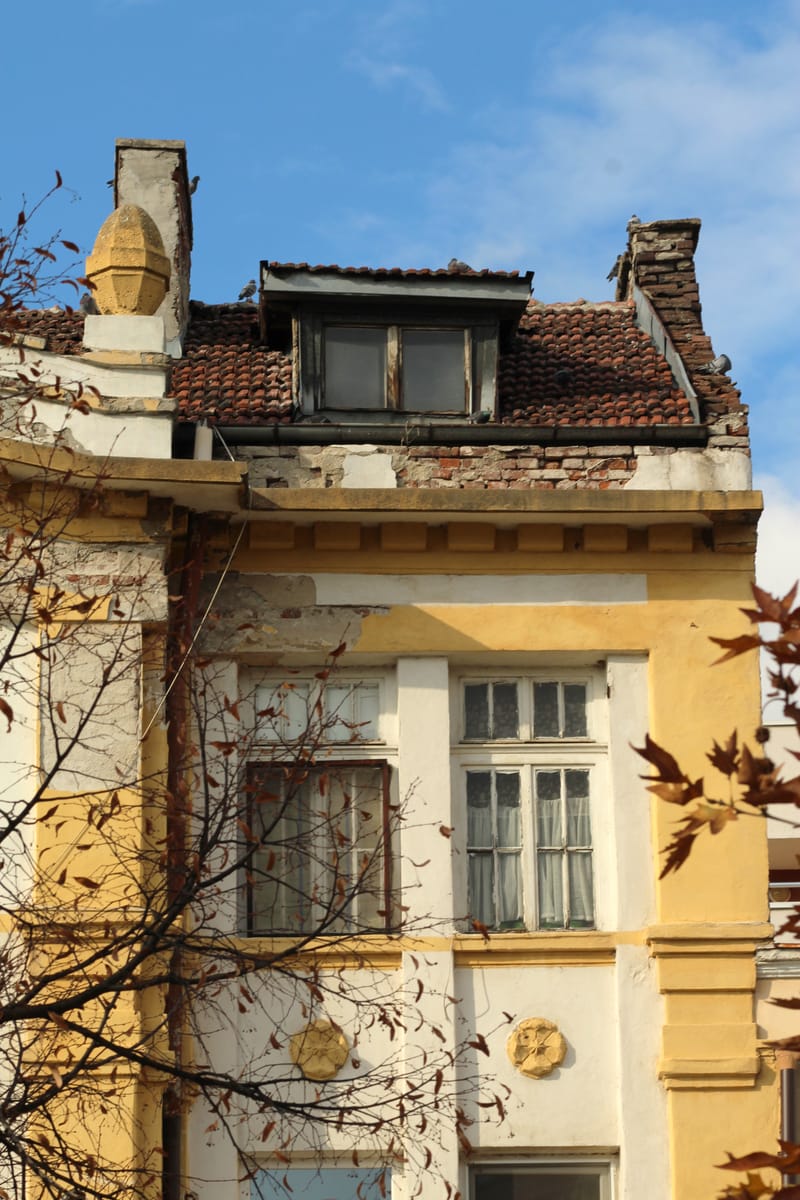
 The path of accumulated commercial capital comes to rest here, in the façade of the Lazova House, whose strict symmetry turns commercial success into architectural expression.
 The architectural language of Prague and Budapest reached this place not through direct contact with those cities, but through architectural catalogues and models – mediated by the Path of Ideas: education, travel, and the ambition to become part of European modernity.
Lazo Velichkov (1841–1933) worked in the monastery vineyards of Mount Athos before settling in Dupnitsa and opening a boza shop that grew into a kebab restaurant. His "Dupnitsa-style kebab" was ordered specially for the royal palace in Sofia.
During his visit to Dupnitsa on 5 June 1996, Tsar Simeon II personally enquired about the recipe, preserved in his childhood memories. Few architectural monuments rival this gastronomic legacy.